Pinky McKay’s Interview With Me
On July 10th (my time), I was lucky to be interviewed by Pinky McKay. Here is that interview!

On July 10th (my time), I was lucky to be interviewed by Pinky McKay. Here is that interview!
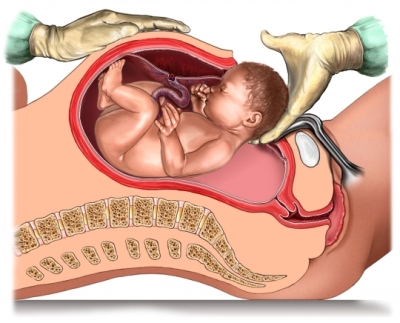
In today’s modern birthing picture, you finish birthing your baby and the doctor immediately clamps the cord and you wait to expel the placenta before cutting. However, this isn’t actually the norm around the world (though notably there is variability worldwide in clamping practices). Often, mothers engage in what is, in our culture, called “delayed cord clamping” and there’s reason to believe we ought to be changing our norms as well…
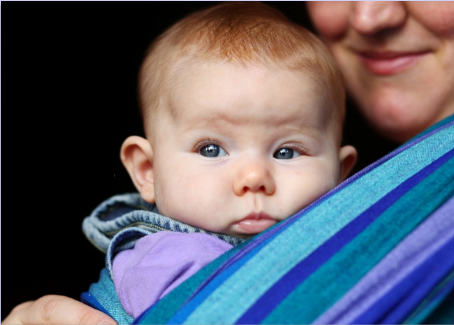
Though some might argue that there’s no difference, or that our modern inventions are more convenient, I would like to argue that there are actually good reasons to wear your baby. So here I present what I believe to be are five of the best reasons to wear your baby…
Our society has changed and we are now expected to parent alone. And yet that is not how we evolved to parent and the lack of support that families, and in particular, moms have is hurting everyone. It's not just financial, but practically and emotionally as well.
. Herein I’d like to talk about a piece from 2008 that looked at elective c-sections and later maternal responsiveness. Not because I want to cause a stink for those who had a c-section, but because we need to understand the effects of our modern birthing practices on those intimately involved – the mother and the infant.
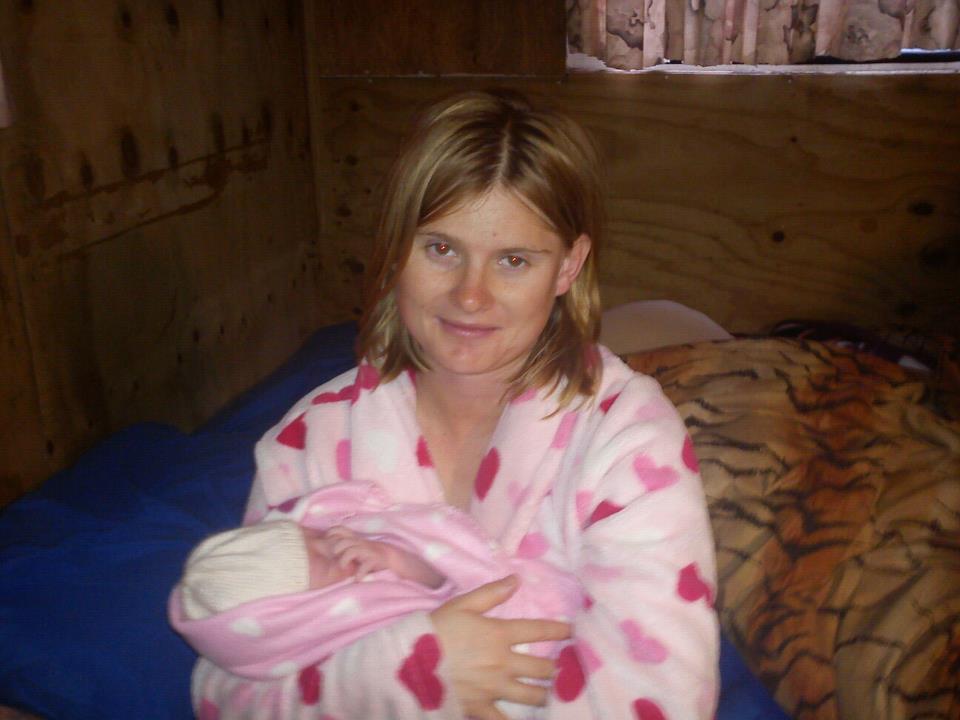
A beautiful home birth story from Sam in New Zealand!
Recently I was lead to a piece written by Katha Pollitt who claims that Attachment Parenting is bad not only for women, but for children too. Her evidence? Well, none.
Trisha Lawrie has kindly shared three incredibly powerful poems regarding birth and I am thrilled to share them. I feel they speak to so much that we speak of on EP and give voice to experiences that, sadly, far too many women experience during the birth process.
In this part, we’re going to look at the last piece of pertinent information—viewing the difficult infant as a ‘plastic’ infant—and then finishing with a look at what we can do going forward.
You’ve probably heard it a hundred times. Parents talking about their child and why parenting was so hard: He was just such a difficult baby. It’s supposed to explain the frazzled looks, the endless crying, and every other negative trait we attribute to the baby in question. But does it?