Should we be making a big deal out of VBACs?
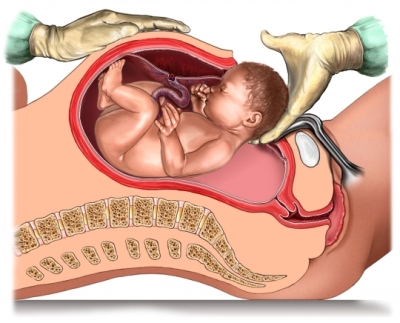
Herein I’d like to take a look at these safety concerns with an eye for what the real risks and potential benefits are to having a VBAC.

Herein I’d like to take a look at these safety concerns with an eye for what the real risks and potential benefits are to having a VBAC.
The problem is that the c-section has been seen as an equal alternative (or sometimes even better alternative) to vaginal birth for people with no medical reason to have a c-section. But there are repercussions to this for both the mother and child and it’s my hope to explore those herein.
This current system of medicalized birth should be yielding amazing results with respect to maternal and infant mortality and morbidity... but it's not.
This is the third and final of the poems by Trisha Lawrie and takes the lessons from the first two and builds them into advice for first-time moms (or those looking to change the way they birth).
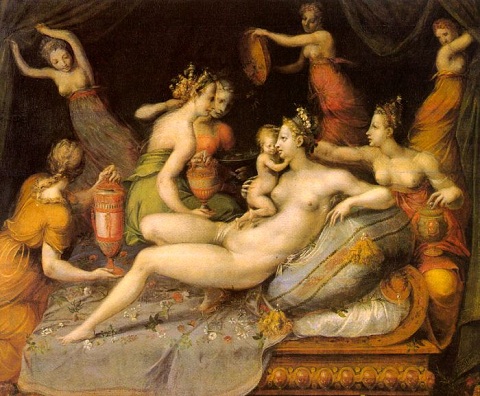
Trisha Lawrie has kindly shared three incredibly powerful poems regarding birth and I am thrilled to share them. I feel they speak to so much that we speak of on EP and give voice to experiences that, sadly, far too many women experience during the birth process.
Like it or not, pregnant women and the children they bear are the guinea pigs of medicine. For us and our children, it is safe until proven otherwise (despite how often that otherwise crops up) and yet our faith in the medical establishment as a whole keeps many people from speaking out.
Trisha Lawrie has kindly shared three incredibly powerful poems regarding birth and I am thrilled to share them. I feel they speak to so much that we speak of on EP and give voice to experiences that, sadly, far too many women experience during the birth process. Though "enjoy" isn't quite the right word, I hope you find these as moving and powerful as I have. Today I share the first of the three entitled Birth Day, a reflection on Ms. Lawrie's personal experience.
The following is an email sent to Professor Elizabeth Armstrong of Princeton University after she wrote an op-ed piece for the New York Times on the use of formula in hospitals. I believe they both make wonderful points and hope more people consider all the factors that can help women and babies have the best start in life.
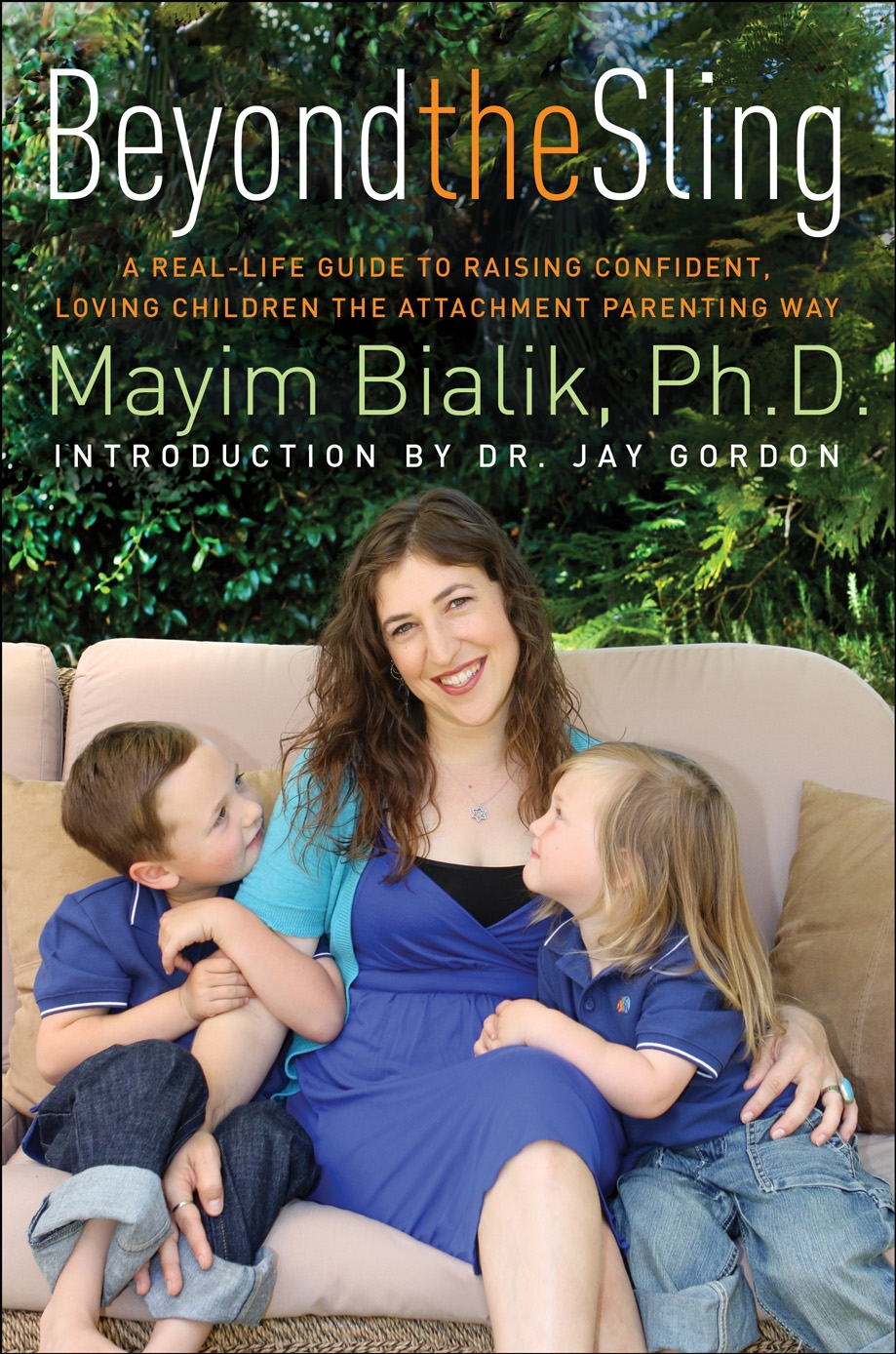
There has been no celebrity quite as outspoken or involved in the Attachment Parenting world as Mayim Bialik. And I consider myself incredibly lucky to have been able to have a chat with Mayim about parenting, the book, and much more.
This issue of Re:Birth has articles on the Midwifery Task Force in Ontario in the early 1980s, squatting in labour, episiotomies, rules at the time about fathers being present for c-sections, VBAC support, and birth on TV.