My Attached Child is Not a Bratty Hooligan: Part 1
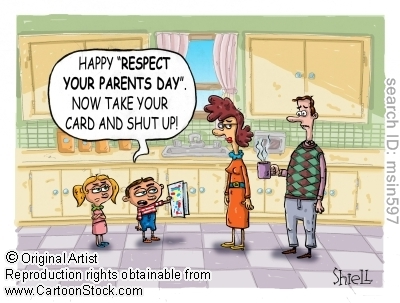
I do evolutionary parenting. Apparently that means my daughter will be a horrid brat no one wants to be around. But is that really the case? Am I screwing my daughter for life?

I do evolutionary parenting. Apparently that means my daughter will be a horrid brat no one wants to be around. But is that really the case? Am I screwing my daughter for life?
I am pleased to share five questions with Dr. Helen L. Ball, professor of anthropology at Durham University. Her work specializes in infant sleep practices, with a side focus on breastfeeding. Here she shares her thoughts on various aspects of parenting, research, and policy.
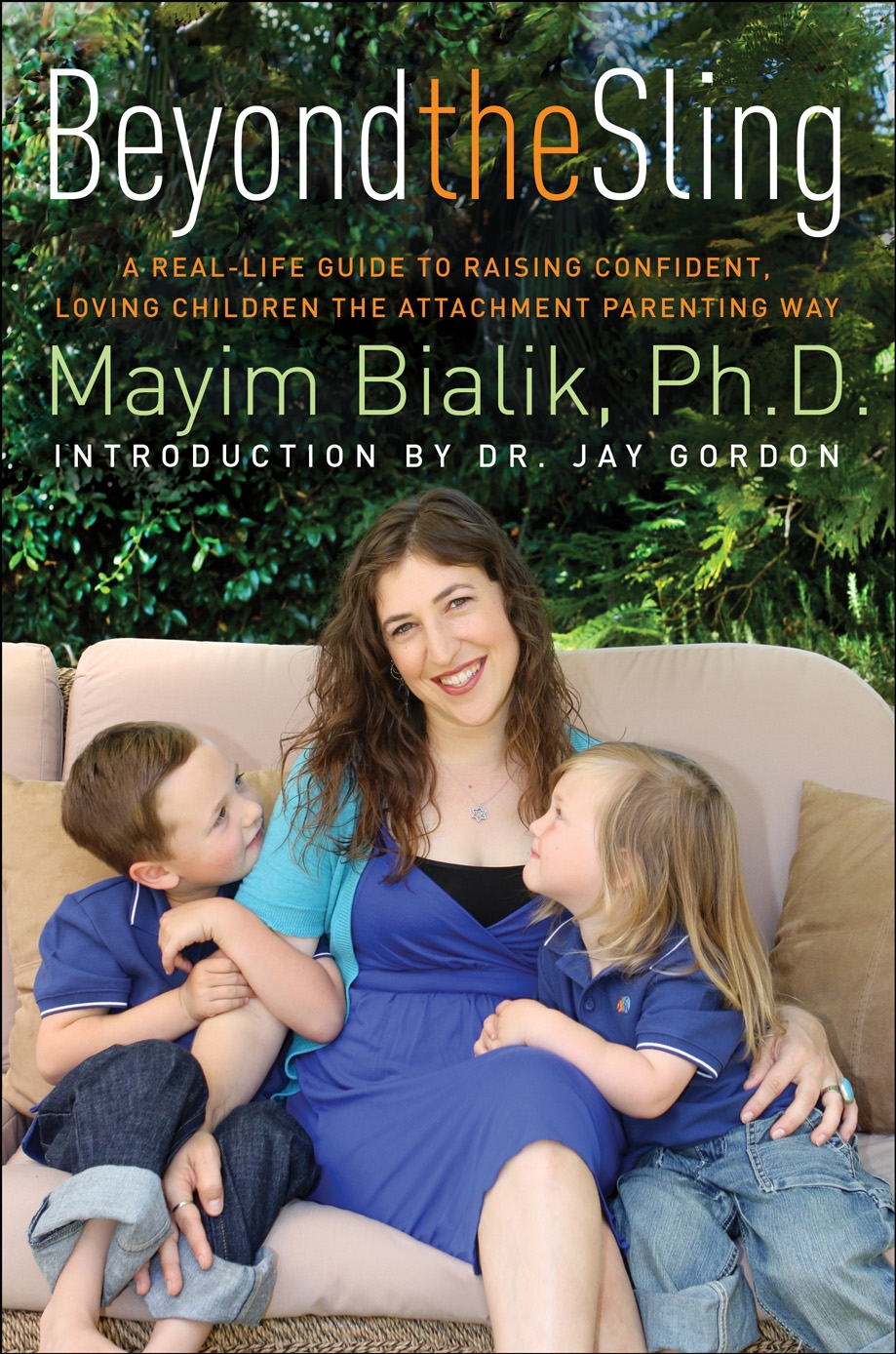
There has been no celebrity quite as outspoken or involved in the Attachment Parenting world as Mayim Bialik. And I consider myself incredibly lucky to have been able to have a chat with Mayim about parenting, the book, and much more.
What you’ll read herein is not meant to be a condemnation of any parent who utilizes some of these methods, but rather an examination of certain parenting characteristics that are rather new to society (evolutionarily speaking) that have been empirically associated with a heightened risk of child maltreatment.
When you write about science articles, there are bound to be some things that people just don’t get. The thing is, it’s hugely important that we do understand what science is saying if we’re going to use it to help people understand the potential outcomes of their parenting choices.
One of the things you hear regularly when women talk of the difficulties of breastfeeding is that it’s “not instinctual”, that we aren’t born knowing how to breastfeed a baby and it doesn’t come naturally with birth. The problem with this argument is that if breastfeeding were not instinctual at all, none of us would be here.
At 19, it was discovered that I had a tumor that, while benign, basically took over my left ovary resulting in its removal. The same year, I also found out I have a bicornuate uterus, a strange but common problem.
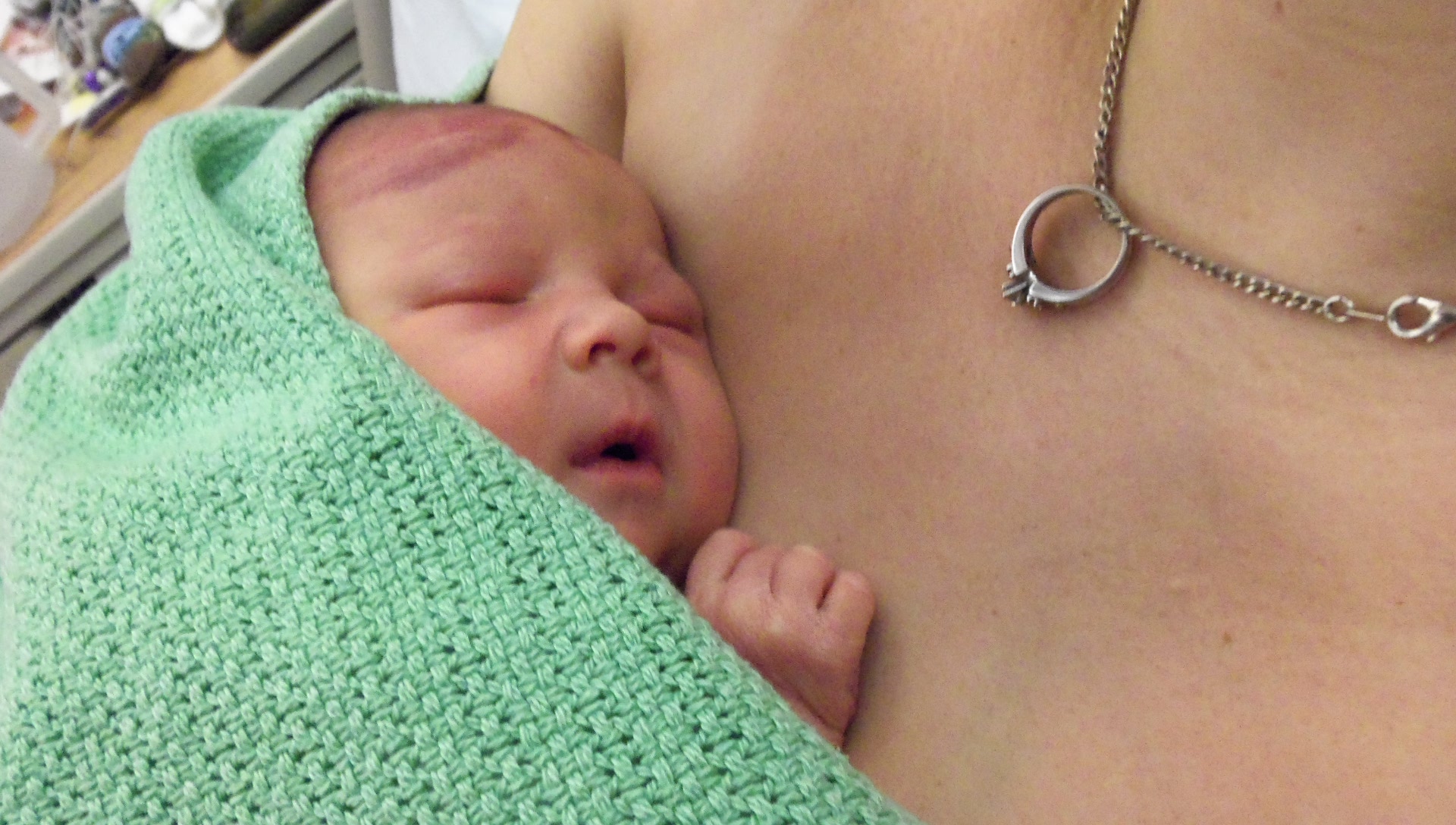
Breastmilk is better than formula. Babies aren’t getting nearly as much touch as they need. Co-sleeping can help your baby stay safe if done safely.
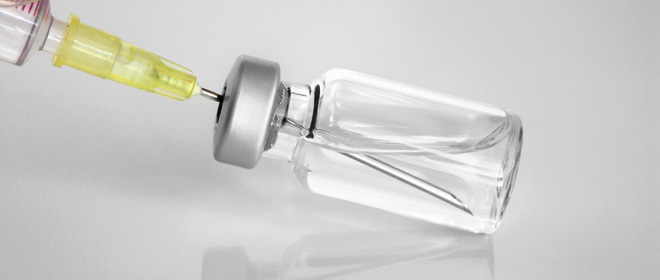
Is it really possible that how we feed our kids can affect how our body responds to a vaccine? Turns out the answer is ‘yes’ and below I’ve outlined the research on the matter for the most common childhood vaccines.
I am an AP Parent. And I got here by conscious choices, and now it defines my soul. I devote my studies to it, I teach it, I live it, I breathe it.