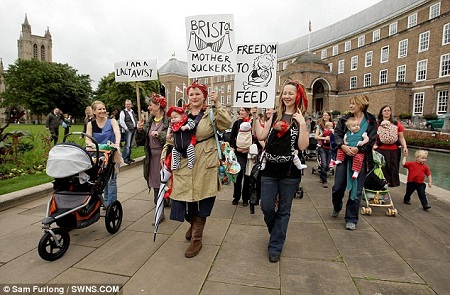
Is Breastfeeding Advocacy Hurting Women?
Despite one US researcher on gender studies claiming so, I'm going to say she's really part of the problem with her arguments.

Despite one US researcher on gender studies claiming so, I'm going to say she's really part of the problem with her arguments.
The primary argument in favour of unassisted birth is that we humans are also animals who instinctually know what to do to give birth and need no assistance from others in doing so. But for some, the thought of a woman birthing herself, without any help or back-up, is flat-out dangerous or irresponsible.
One would think that with the evidence cited by many countries and health professions against the practice, the issue would be moot, but it is not.
One would think that with the evidence cited by many countries and health professions against the practice, the issue would be moot. But (yes, there’s a ‘but’), much of the older research cited has flaws and thus leaves the door open for those who support the practice to stake their claim.
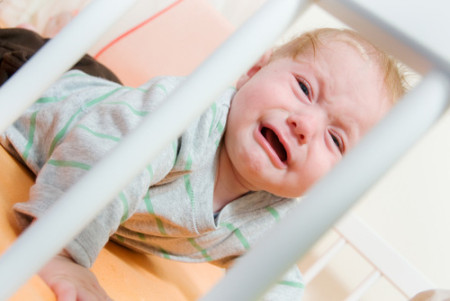
Recently, an article by Anna Price and colleagues has been covered in the media as it supposedly touts that there are no long-term effects of infant sleep interventions. I got my hand on the article (which is still in early release through Pediatrics) and decided to write my own peer review.
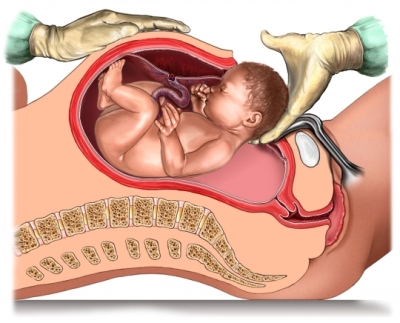
The problem is that the c-section has been seen as an equal alternative (or sometimes even better alternative) to vaginal birth for people with no medical reason to have a c-section. But there are repercussions to this for both the mother and child and it’s my hope to explore those herein.
When you write about science articles, there are bound to be some things that people just don’t get. The thing is, it’s hugely important that we do understand what science is saying if we’re going to use it to help people understand the potential outcomes of their parenting choices.