The Child and the Angry Thoughts
We have it in our heads that children should not feel angry, and especially not violent. We worry and panic when they show signs or any violence. But are we doing more harm than good?

We have it in our heads that children should not feel angry, and especially not violent. We worry and panic when they show signs or any violence. But are we doing more harm than good?
How we speak about breastfeeding and other parenting issues is incredibly important. We have to be aware of the language we use and what it means. But does it mean that we can never use the terms that anger us so?
Often when I write about crying-it-out or controlled crying, I get comments from people who have done it asking what else they should have done in their sleep deprived state. The question concerns me because it highlights not only how mainstream the idea of leaving a child to cry has become, but also about how ignorant society is as a whole about the alternatives to sleep training.
Do you think the world would be a better place without the "mommy wars"? That we need to just support one another and accept that every choice is valid and equal? I call bullshit on the whole thing.
You know how everyone keeps saying it's up to us to prove the risk of harm from sleep training? Well, we have the beginnings of this with a new review piece looking at outcomes for sleep training of infants under six months of age.
The argument is that if you have a warmer relationship at other times, the failure to be responsiveness or to even be hurtful is not a problem. The problem is that science doesn't back that up at all...
The findings that made the news were boiled down to the idea that men with smaller testicles make better, or more involved, fathers. But do smaller balls = better fathers?
When I wrote about the benefits of adding logical consequences to our toolkit with our daughter, I was met with some resistance from people. Most of the resistance centered on the fact that people view logical consequences as punishment and children don’t learn from punishment. I disagree and I thought I’d share a bit more on how to implement a logical consequence, along with what it does and does not include.
I’m a big fan of natural consequences. But sometimes natural just doesn’t do it – like when my daughter decides to throw her toys at me – sure, she sees me sad and I will not play with her, but that doesn’t quite seem to curb it, especially when she’s angry and threw it in order to hurt me.
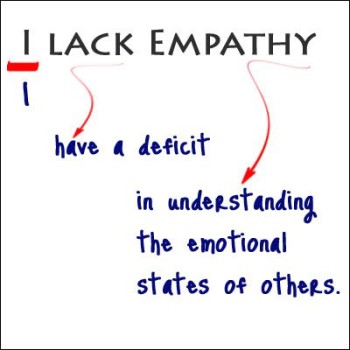
We do a lot to try and ensure our children are empathic. And yet, there is one thing I see happen with alarming regularity in our young toddlers that sabotages so much of what we are aiming for.